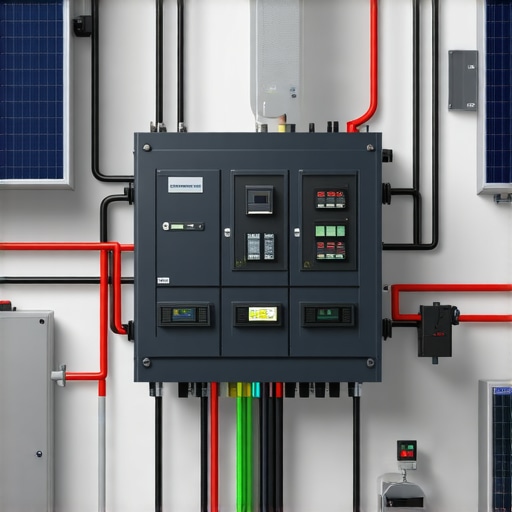

Why Your Home Panel Upgrade Needs Load Management in 2026
It hit me unexpectedly during a family dinner—my power tripped again, right in the middle of cooking. That frustrating moment when the lights flicker, the devices reboot, and suddenly, the entire evening feels disrupted. I realized then how vulnerable my home’s electrical system had become, especially with the looming 2026 regulations on home panels and EV charging. This wasn’t just a hiccup; it was a warning sign that my home’s electrical capacity was pushing its limits.
Getting Ahead of the 2026 Electrical Code Changes
Load management isn’t just a buzzword anymore—it’s a necessity for homeowners like you and me. With the new 2026 electrical code updates, many homes will need to reconsider their current setup, particularly if you have or plan to install an electric vehicle charger. Ignoring these changes could lead to code violations, expensive repairs, or worse, electrical safety hazards. From my experience, upgrading your panel without considering load management can mean facing frequent outages or system failures. I’ve seen homeowners rush into panel replacements only to find their new system still struggles under the weight of simultaneous demands like EV charging, solar inverters, and household loads.
Is Load Management Overhyped or Necessary?
Early in my journey, I made the mistake of thinking I could just get a bigger breaker or newer panel and call it a day. Turns out, that’s only half the solution. Without proper load management strategies, a larger panel can still be overwhelmed. The real trick is integrating smart load management to distribute power evenly and prevent overloads. If you’re wondering whether load management is really essential, consider this: the US National Electrical Code estimates that up to 20% of electrical fires are caused by overloads and faulty wiring—most of which could be mitigated with proper planning and smart systems. So, investing now in load management isn’t just wise; it’s a proactive safety move. This sets us up for a future where your home can handle multiple EVs, smart devices, and renewable energy sources seamlessly. Ready to find out how to make that happen? Let’s dive into the practical steps to upgrade your system responsibly and reliably.
Assess Your Current Electrical Load
Start by calculating your home’s total electrical demand. Turn off all major appliances and note your main meter reading. Then, turn on all high-demand devices—like your HVAC, oven, and electric vehicle charger—and record the increased usage. Compare this to your existing panel capacity. This step is crucial, as it helps you identify whether your current setup can handle new load requirements or if an upgrade is necessary. During my own assessment, I discovered my system was only capable of 100 amps, but with EV charging and solar additions, I was rapidly exceeding that limit. You can verify your existing compliance by reviewing your electrical panel specifications, or consult a professional for detailed load calculations. Remember, failing to accurately assess load could lead to non-compliance and safety hazards, especially with upcoming 2026 regulations. For detailed guidance, visit this resource.
Plan Your Panel Upgrade Strategically
Choosing the right panel is like upgrading your home’s backbone; it needs to support future demands. Opt for a panel rated for at least 200 amps, with ample spaces for additional circuits. When planning, consider future expansion—like adding more EV chargers or a battery storage system. During my upgrade, I worked with a licensed electrician to select a panel that exceeded current codes and included surge protection, which is now a mandatory requirement for 2026. Avoid common pitfalls like underestimating load or neglecting conduit oversizing. Refer to this guide for selecting the appropriate panel size and features. Proper planning ensures your system is resilient and compliant, preventing costly rework later.
Implement Smart Load Management Devices
Incorporate load management systems that dynamically control power distribution across your home. Think of these devices as traffic controllers, preventing overloads during peak usage. Modern smart panels or load controllers can prioritize essential appliances and adjust EV charging based on real-time capacity. During my installation, I connected a smart load breaker system that automatically reduced charging speed during high demand periods, ensuring safety and compliance. This approach not only adheres to 2026 standards but also extends the lifespan of your electrical components. Be sure to select devices compatible with your panel and EV charger specifications. For expert installation tips, see this article.
Ensure Code Compliance During Installation
Always adhere to the latest electrical codes, especially with 2026 amendments. This involves verifying wiring methods, breaker ratings, and grounding procedures match the code’s requirements. It’s akin to following a recipe precisely—skipping steps can lead to failures or inspection issues. My experience shows that consulting a licensed electrician familiar with current and upcoming codes saves time and prevents violations. Use resources like this guidance to audit your installation plan. Proper documentation and quality workmanship ensure your upgrade passes inspections and remains safe for years to come.
Test and Validate Your Upgraded System
Once installed, perform comprehensive testing. Use load simulators or gradually ramp up charging to monitor system stability. Check for overheating, tripping breakers, or voltage drops—signs of improper setup. My initial tests revealed slight voltage drops during simultaneous EV charging and appliance use; I addressed this by fine-tuning load distribution settings. Regular maintenance and periodic inspections keep your system compliant and efficient. Troubleshoot issues immediately using expert resources like this troubleshooting guide. Validating performance ensures your investment is safe, reliable, and ready for 2026 standards.
When it comes to home electrical upgrades for EV chargers and anticipating 2026 regulations, many homeowners are misled by common myths that can jeopardize safety and compliance. A widespread misconception is that simply installing a larger panel guarantees future-proofing. In reality, without understanding the nuances of code compliance, load management, and advanced troubleshooting, you’re risking non-compliance or unsafe setups. For instance, many believe that upgrading to a 200-amp panel is sufficient without considering the detailed load calculations for multiple EVs or incorporating smart load management devices. This oversight can lead to frequent trips and even code violations. Moreover, some assume that hiring a non-certified electrician is acceptable if they follow online guides. This can be dangerous, as proper grounding, wiring, and adherence to the latest codes are critical for safety and pass inspection. An advanced mistake many overlook is ignoring the significance of thermal management in EV chargers, especially with increased load demands; thermal throttling can cause performance issues or equipment failure. According to a study published by the National Fire Protection Association, improper load management and non-compliance contribute significantly to electrical fires—making in-depth knowledge essential for safe upgrades and troubleshooting. Have you ever fallen into this trap? Let me know in the comments and ensure your system isn’t just upgraded but also compliant and reliable.Maintaining a robust EV charging setup requires not only quality equipment but also effective troubleshooting tools and maintenance routines. In my experience, investing in precise testing devices has saved me countless headaches and ensured compliance with evolving standards. One indispensable tool I personally rely on is the **Clamp Meter**—specifically, a high-quality model like the Fluke 323. It allows me to quickly verify current flow during charging sessions, ensuring that outlets and breakers are functioning correctly without disconnecting anything. Additionally, a **Digital Multimeter** (for instance, the Fluke 115) is crucial for testing voltage and resistance, helping me detect wiring issues early before they escalate. For software-based monitoring, I recommend employing **Smart Load Management Systems** such as the BringAuto Load Controller. This device dynamically adjusts power distribution, preventing overloads during simultaneous high-demand usage and extending the lifespan of your components.
Predicting Future Needs for Long-Term Reliability
Looking ahead, the trend is toward integrating more intelligent, connected systems that can be monitored remotely. Smart electrical panels with built-in diagnostics will become commonplace, allowing homeowners to identify potential issues before they lead to failure. Keeping your system updated with firmware and regularly reviewing usage data can catch anomalies early. Regular physical inspections—checking for loose connections, corrosion, and signs of thermal stress—are also vital. These small habits ensure your system remains compliant and safe as your home’s energy demands grow.
What Are the Best Practices to Maintain EV Charging Safety Over Time
Set a schedule for periodic inspections of your breaker panels and connections. Use your multimeter routinely to verify voltage consistency, especially after storms or electrical work. Keep an eye on your load management system’s alerts and logs. Consider consulting a licensed electrician annually—particularly before installing additional chargers or panels—to ensure everything remains within code and operationally sound. For comprehensive guidance, visit this resource. Remember, proactive maintenance is your best defense against unexpected failures or costly repairs.” alt=”Technician testing household electrical system with a clamp meter” title=”Using a Clamp Meter for Electrical Diagnostics” />Over the years, I’ve uncovered some crucial insights that go beyond the typical advice on electrical upgrades, insights that can save you time, money, and unnecessary stress. The first lightbulb moment came when I realized that a bigger panel alone isn’t enough—without integrating smart load management, you’re still playing catch-up with your home’s demands. I’ve also learned that trusting quick fixes without understanding the nuances of 2026 code changes can lead to violations or safety hazards, which is why continuous education and professional consultation are vital. My biggest lesson was recognizing that oversight in thermal and grounding safety can silently threaten your system’s reliability, even if all other aspects seem compliant. Lastly, I discovered that proactive testing and maintenance aren’t optional—they’re your best defense against future failures and ensure your system adapts smoothly to evolving energy needs. Incorporating these lessons into your planning isn’t just about compliance; it’s about building a resilient, future-ready home that supports your mobility and sustainability goals.